







Search Results for: Espresso Roast
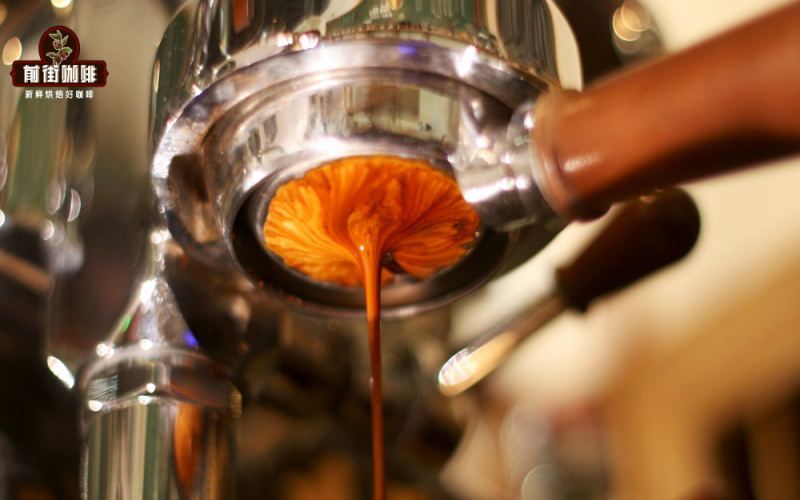
A Guide to Extracting Light-Roast Espresso Beans: Flavor Characteristics, Common Issues, and Bean Selection Tips for Home Espresso Machines
Can light-roast coffee beans hold their own in espresso? Building on Front Street's earlier tests, this article takes a closer look at the flavor performance and key operating points of making espresso with light-roasted beans. From the causes of sharp acidity and channeling to adjustment strategies for grind size, dose, and pressure, it breaks down the pitfalls in extraction one by one. At the same time, for home and office scenarios, it recommends coffee beans with different positioning, such as Front Street Classic Blend, Commercial Blend, PWN Golden Mandheling SOE, and Strawberry Candy Espresso, helping coffee lovers find the espresso that suits them among acidity, crema, and sweetness. [more…]
Are Light Roast Coffee Beans Suitable for Espresso? A Full Analysis of Grind, Dose, Pressure Adjustment, and Flavor Performance
Can light-roast coffee beans hold their own in espresso? This is a question many coffee lovers are curious about. Building on Front Street Coffee's previous tests, this article further sorts out the practical key points and flavor tendencies of making espresso with light-roast beans. Starting from common misconceptions, the article analyzes why light-roast espresso tends to be sharply acidic, and breaks down one by one how the three key variables—grind size, dose, and extraction pressure—should be adjusted. At the same time, for different taste preferences, it recommends suitable beans such as Front Street Coffee's Classic Blend, Commercial Blend, PWN Golden Mandheling SOE, and Strawberry Candy Espresso. Finally, it objectively describes the drinking experience of light-roast espresso to help readers decide whether it is worth a try. [more…]
Should you choose a dark roast or light roast for espresso beans? Analyzing the roast level differences in espresso blends
Should espresso beans be dark roasted or light roasted? This is a question many friends who are preparing to open a coffee shop or have just been introduced to espresso often ask. This article draws on the practical daily experience of Front Street Coffee to answer core questions such as which beans are recommended for espresso, how medium and light roasts affect espresso extraction, and how coffee roast levels are defined. It introduces in detail the formulation approach and flavor performance of Front Street Coffee's Sunflower Warm Sun espresso blend, helping readers understand why espresso blends generally use medium or darker roasts, and the problems of thinness and sharp acidity that light-roasted beans may encounter when used for espresso, providing coffee lovers with a practical reference for choosing beans. [more…]
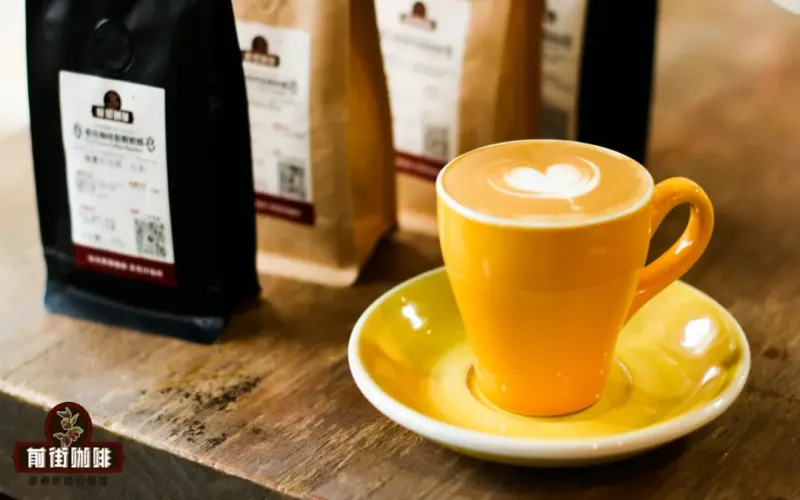
Is It Feasible to Make Espresso from Single-Origin Beans for Pour-Over? Differences Between Light Roast and Blend Beans and Extraction Adjustment Approaches
Many coffee enthusiasts stock up on single-origin pour-over beans during Front Street Coffee's monthly limited-time events, yet their purpose is to make espresso. However, single-origin beans are mostly medium-light or light roasts, which differ significantly in roast level from the dark roasts commonly used for espresso. Directly applying dark roast parameters often results in espresso that is sharply acidic and thin. This article focuses on this topic, first explaining the essential differences in density and brittleness between dark and light roast beans, then providing grinding adjustment ideas and reference formulas for light roast single-origin beans, and finally, from the two directions of dose and milk ratio, explaining how to keep light roast espresso from being diluted and masked in milk-based coffee, along with practical tips for making milk coffee. [more…]
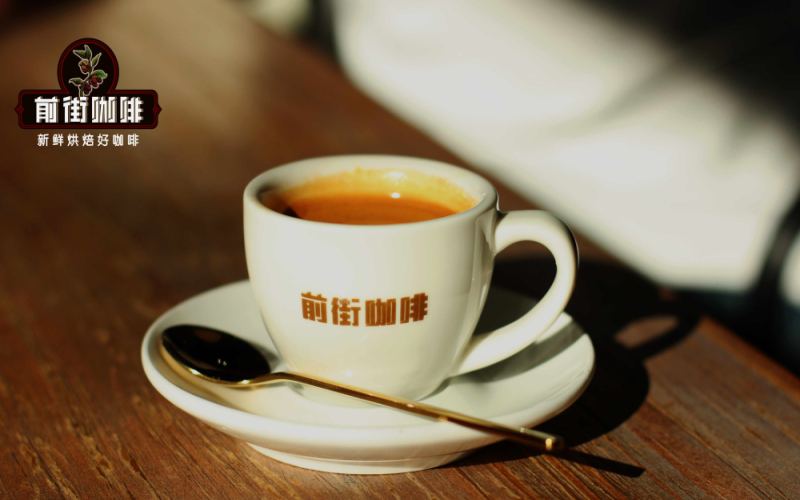
Analysis of the Flavor Characteristics of Medium-Roast Espresso Beans, and Why Espresso Blends Are Chosen for Making Espresso
To make an espresso that balances acidity, sweetness, and bitterness with a full-bodied mouthfeel, choosing the right beans is a key step. Single-origin coffee beans, while excelling in pour-over brewing, often struggle to meet espresso's demand for complexity, so blended beans become the top choice for most roasters. This article will start with the definition and characteristics of Italian-style blended beans, analyze the differences between the two processes of raw blending and roasted blending, and combine several classic blend products from Front Street Coffee to help you understand the taste characteristics of medium-roast Italian-style beans, and why Italian-style blended coffee beans should be chosen for making espresso. [more…]
Light roast, medium roast, dark roast: how do espresso beans differ in the cup?
The roast level of espresso beans directly affects the aroma, sweetness, acidity, and mouthfeel of the espresso. Using the same espresso machine, light-roasted beans may present bright fruity notes, medium-roasted beans are more likely to deliver rounded sweetness, and dark-roasted beans bring cocoa, nutty, and roasted notes. First understand the three approaches, then combine them with the black coffee you usually drink. [more…]
Choosing the Roast Level for Espresso Beans: How to Drink Light, Medium, and Dark Roasts
The roast level of espresso beans determines whether the espresso tastes more like fruit, caramel, or dark chocolate. It also affects the body of the coffee liquid, its sweetness, and how it blends with milk. When choosing, you can first look at whether the package says light, medium, or dark roast, then consider whether you usually drink espresso, Americano, or latte, and the range will [more…]
Can espresso blend beans be used for pour-over? Analysis of dark roast coffee flavor characteristics and Front Street Warm Sun blend
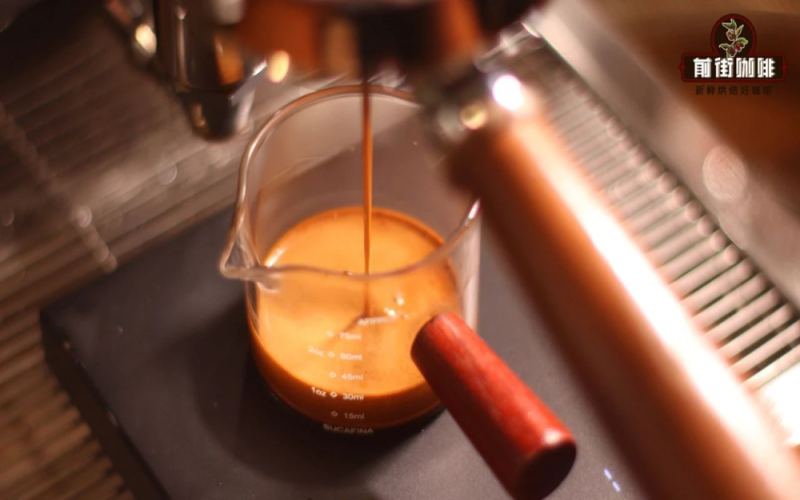
Many coffee enthusiasts encounter a question when selecting beans: Are coffee beans labeled as espresso blends and dark roast actually suitable for pour-over? To answer this question, we need to start with the classification of coffee roast levels. What exactly do terms like French roast, Italian roast, and City roast represent? What flavor characteristics correspond to different roast levels? From the perspective of Front Street Coffee, this article systematically sorts out the Agtron color values and drop timing for each roasting stage, and shares the development ideas, roasting curves, and espresso extraction plans for Front Street Sunflower Warm Sun Blend, helping you understand the differences in performance of dark-roasted beans in both pour-over and espresso scenarios. [more…]
A Complete Analysis of Espresso Bean Blending: From Principles to Front Street Coffee's Four Espresso Bean Recipes and Extraction Parameters
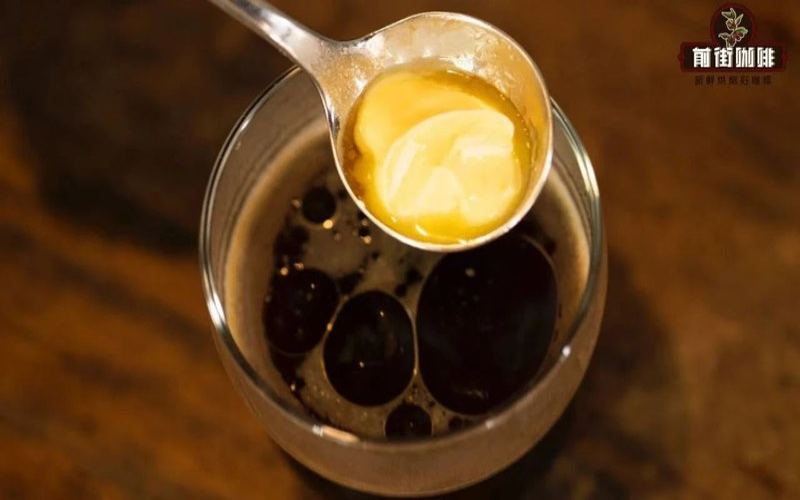
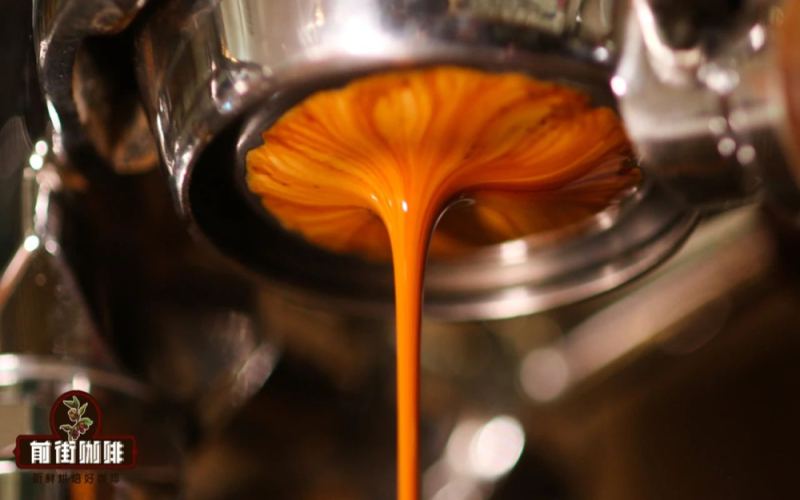
To make a rich, well-balanced espresso at home or in a café, choosing the right blend is the first step. This article begins with the definition and purpose of coffee blending, explains the pros and cons of pre-roast blending and post-roast blending, and lays out the complete process: establishing the target flavor, determining the blend type and ratio, and pre-confirming through cupping. It also details the origin composition, roasting approach, and flavor performance of four Front Street Coffee espresso blends—Specialty Espresso, Commercial Espresso, Basic Espresso, and Sunflower Warm Sun—along with espresso extraction parameters and an iced latte recipe, and finally explains why espresso is served with a spoon. [more…]

Espresso Coffee Bean Buying Guide: Blends vs. Single Origins, Roast Levels, and Answers to Common Questions
Espresso is both a brewing method and the name of a coffee beverage, making it one of the most familiar coffee types among the general public. However, precisely because of its popularity, beginners often have many questions: How do you select and store espresso beans? Which is more suitable for espresso, a blend or a single origin? How does the roast level affect the final cup? Does an espresso blend count as specialty coffee? Is sourness in espresso normal? This article will address these common questions one by one, drawing on Front Street Coffee's store experience and product examples to help coffee lovers build a clear framework for understanding espresso beans, offering practical guidance from bean selection and storage to controlling extraction consistency. [more…]
Making Espresso More Palatable: How to Judge the Roast Level of Espresso Beans
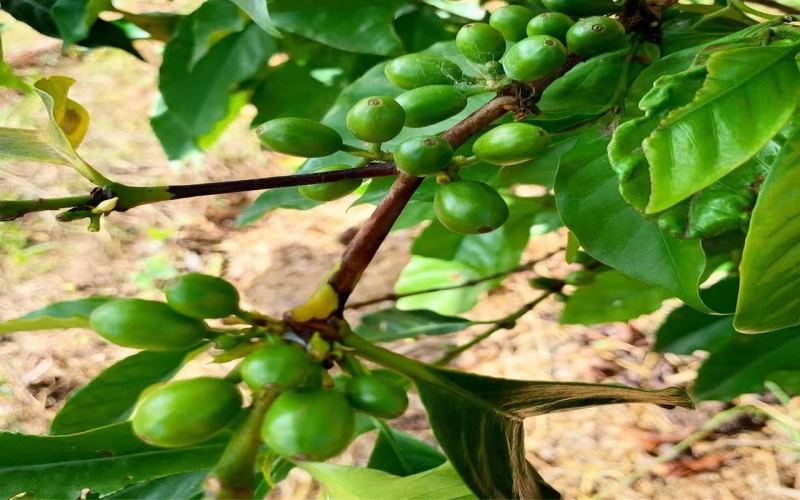
The roast level of espresso beans directly affects the acidity, sweetness, bitterness, aroma, and body of the shot. When faced with labels like light roast, medium roast, and dark roast, first think about the cup of coffee you usually drink: do you want bright fruity acidity and clear aroma, or do you prefer a cocoa-like richness and smoothness? Then decide on the roast direction for the beans. Light [more…]
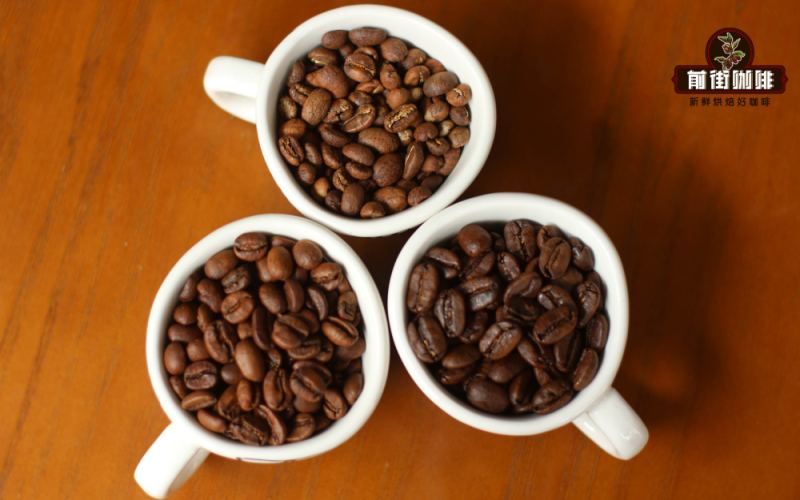
Espresso Blend Coffee Bean Roast Level | Are Espresso Beans Suitable for Pour-Over Coffee? Espresso Blend Philosophy and Roast Curve Reference
For more specialty coffee knowledge, please follow: Front Street Coffee (Frontsteet Coffee). The roast level of coffee largely determines the flavor direction of the coffee. When we buy coffee, the label will indicate what roast level it is, such as light roast or dark roast—these are fine. [more…]
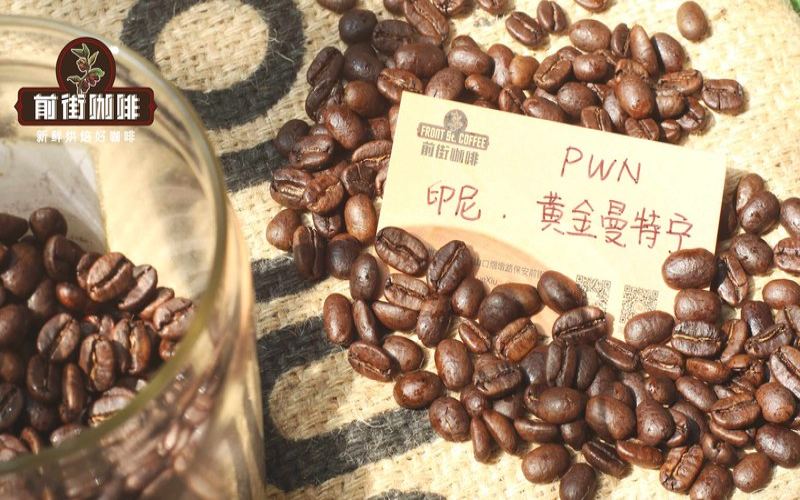
How to Choose Everyday Espresso Beans: A Flavor Guide from Light to Dark Roast
For everyday espresso beans, you don't have to fixate on "strong" or "bitter." The roast level shapes the aroma profile, sweetness, and the body of the espresso, and it also determines whether the coffee can hold its own once water, ice, or milk is added. If you want your daily coffee to be easy to drink, you can start by looking at light, medium, medium-dark, and dark roasts. [more…]
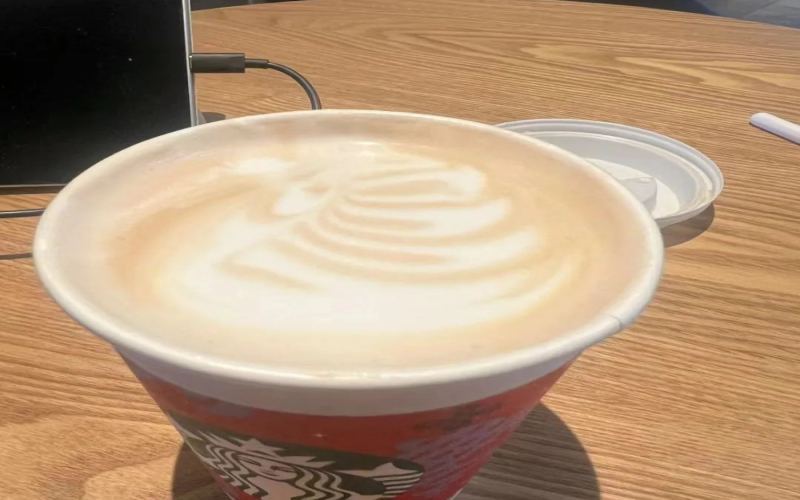
Starbucks' Light Roast Espresso Debut Divides Opinion—Why Are Customers Questioning Its Lack of Coffee Taste?
Starbucks recently launched a Blonde Espresso series, highlighting the lively acidity and citrus notes brought by a lighter roast, officially described as mellow, delicate, and softly sweet. However, after the product hit the market, consumer feedback has been notably divided: customers who prefer medium-light roasts find the taste soft and light, calling it a blessing for those who fear bitterness; while loyal customers accustomed to Starbucks' traditional dark roast flavor have expressed disappointment, saying the milk flavor overpowers everything and even suspecting the barista forgot to add the espresso. The core of this controversy actually lies in how the degree of roast affects flavor, rather than a recipe error. Espresso made from light-roasted beans has a reduced burnt-bitterness and a more pronounced sweet-and-sour quality, so when combined with milk it naturally seems to taste more milky. In addition, a light roast does not equal low caffeine—caffeine content is mainly determined by variety, altitude, and brewing method, and has nothing to do with roast level. This article will analyze the issue from three aspects: customer reviews, the causes of flavor, and caffeine misconceptions. [more…]
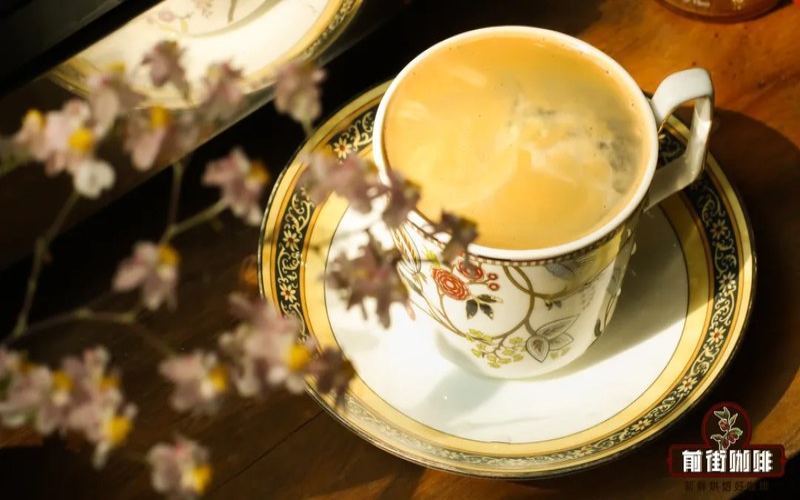
Choosing Espresso Beans by Roast Level: From Fruity to Cocoa Flavors
To make smooth espresso at home, you can start by looking at the roast level when choosing beans. It affects the aroma profile, body, and extraction speed of the coffee liquid, and also determines whether the beans can maintain a clear flavor when used in espresso, Americano, or latte. Whether you like bright fruity notes or prefer rich cocoa, you can usually find what you're looking for on the roast label. [more…]
How to Choose Specialty Coffee Beans for Espresso? From Light to Dark Roast, Based on Flavor and Brewing Method
The flavor of an espresso is often set in its general direction by the roast level. Light roasts tend to preserve bright acidity and fruity notes, medium roasts place sweetness, aroma, and body in a more balanced position, while medium-dark and dark roasts gradually move toward nutty, cocoa, and roasted notes. When choosing beans for a home espresso machine, you can treat the roast level as [more…]
Roast Depth Sets the Direction: How to Choose Between Espresso Blends and SOE
When comparing espresso blends and SOE side by side, looking at the roast level first gives you a better handle on things. When beans are roasted light, the floral and fruity notes from the origin and variety come through more vividly; as the roast moves toward medium-dark, nutty, cocoa, and caramel notes along with a fuller body gradually take over. Blends often combine the characteristics of different beans, while SOE concentrates [more…]
In-Depth Analysis of Espresso Blend Coffee Beans: Blending Logic, Roast Level, and Five Front Street Coffee Recipe Recommendations
Espresso is the soul of a latte, and behind a delicious latte there is often a carefully crafted espresso blend. Why blend? How do different origins and roast levels affect flavor? This article starts from the purpose of blending, origin selection, and roast level to systematically sort out the logic of espresso blend combinations, and shares the recipe characteristics and suitable scenarios of five Front Street espresso blends, covering rich and mellow, floral and fruity, nutty, commercial-style, and entry-level basic options, helping coffee lovers more clearly understand the thinking behind selecting espresso beans. [more…]
Must Espresso Use Dark Roast Beans? Flavor Differences Between Blends and SOE, and a Guide to Choosing from Front Street Coffee's Six Espresso Beans
Must espresso only be bitter and strong? In fact, a high-quality Espresso can also present rich layers of fruity, floral, spice, or chocolate and caramel notes, and the key lies in choosing the right coffee beans. This article will guide you through the tolerance of espresso for roast levels, explain how blended beans achieve flavor balance through combinations of multiple origins or roast levels, and compare the increasingly popular SOE single-origin espresso in recent years. At the same time, Front Street Coffee recommends four classic espresso blends and one Huakui SOE for you, and shares practical tips on fresh roasting, bean resting, and grinding and storage, helping you find an espresso daily bean suitable for making Americano or latte regularly. [more…]
A Complete Parameter Guide to Making Espresso with Light-Roast Coffee Beans: Key Adjustment Points for Grind, Dose, Time, and Milk Coffee Ratios
Espresso is typically based on medium-dark or dark roasted coffee beans, because the caramelized aromas blend more harmoniously with milk. However, drinking the same flavor over the long term inevitably becomes monotonous, and many coffee enthusiasts turn to light roasted beans with prominent floral and fruity notes, such as Front Street Coffee Huakui SOE or Front Street Coffee Strawberry Candy espresso blend, which when used to make a latte can highlight creamy smoothness and berry-cocoa notes. Yet the difference in density and brittleness between light and dark roasts is significant, and using dark roast parameters to extract light roasted beans often results in espresso that is sharply acidic and thin, with an unbalanced mouthfeel once milk is added. This article systematically sorts out the five core parameters that need adjustment when switching from dark roast to light roast: the grind size needs to be adjusted finer by 2 to 4 steps, the dose increased by 0.5 to 1 gram, the extraction time extended to 28 to 40 seconds, the brew ratio loosened to about 1 to 2.5, and the amount of milk appropriately reduced to avoid masking the coffee's true flavor. All adjustments are premised on the freshness of the coffee beans, and Front Street Coffee ships everything freshly roasted within 5 days, with 24-hour shipping support, ensuring the flavor is at its best. [more…]